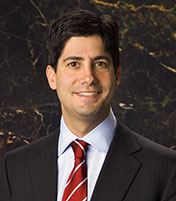
Warsh's Fed Nomination: A Seaborne Shift Towards Monetary Discipline Reshapes Markets
The financial world rarely sees a single announcement trigger such immediate and profound shifts across diverse asset classes, but President Trump's nomination of Kevin Warsh to chair the Federal Reserve did precisely that. On January 30, 2026, the news of the potential `warsh nomination fed` appointment sent ripples through global markets, triggering sharp selloffs in gold, silver, and, notably, the burgeoning cryptocurrency sector, including Bitcoin. This dramatic reaction wasn't just a fleeting blip; it was a clear signal that markets were swiftly repricing expectations for a new era of monetary discipline and a stronger U.S. dollar, anticipating a departure from years of easy money policies.
The significance of Warsh's potential leadership lies in his long-standing reputation as an inflation hawk – a moniker earned through decades of advocating for fiscal prudence and a laser focus on the Fed's core mandate. His appointment would represent a seismic shift from the accommodative stances of recent Fed chairs, promising a challenging but potentially vital reset for the nation's central bank and, by extension, the global financial landscape.
The Hawkish Stance: Redefining the Fed's Mandate
Kevin Warsh is not a newcomer to the corridors of power; his journey through the financial elite has prepared him for this moment for decades. From his formative years as an investment banker at Morgan Stanley, gaining real-world insights into the intricate workings of the financial sector, to his crucial role as a Fed governor during the tumultuous 2008 financial crisis, Warsh has seen the system from multiple vantage points. During the crisis, he stood alongside figures like Tim Geithner, Hank Paulson, and Ben Bernanke, playing a pivotal role in averting economic Armageddon by strategically injecting liquidity into a frozen system.
However, it was his post-crisis pivot that truly defined his hawkish character. Warsh became a vocal critic of the Federal Reserve's prolonged period of quantitative easing and near-zero interest rates, policies that, while effective in the immediate aftermath of a meltdown, he argued were laying the groundwork for future inflationary pressures. He believed the Fed, under Bernanke, then Yellen, and even Powell during Trump 1, had strayed dangerously from its "dual mandate" – the critical responsibility to maintain low inflation while seeking strong employment through careful control of the money supply. Instead, he saw the central bank "juicing the economy," printing money, and artificially suppressing long-term interest rates as if it were an extension of the White House's economic team.
Warsh’s critique extended beyond just monetary policy. He also took aim at the Fed's increasingly broad policy pursuits, including its engagement with social issues such as Diversity, Equity, and Inclusion (DEI) hiring practices and Environmental, Social, and Governance (ESG) investing. From Warsh’s perspective, these diversions not only overstepped the Fed's legal boundaries but, more critically, diverted its focus from its primary objective: managing inflation. His principled stand against what he saw as mission creep underscored his unwavering commitment to a narrowly defined, inflation-focused central bank. This commitment to traditional monetary policy signaled to markets that a Warsh-led Fed would prioritize price stability above all else, a clear departure from what many perceived as years of inflationary complacency.
A Prophetic Voice: Warsh's Warnings and the Inflation Crisis
Warsh's transition from crisis manager to `warsh the fed critic who foresaw runaway inflation.html` was not an overnight one, but a gradual realization born from deep economic analysis. Decamping to Stanford University, he began to articulate his concerns through columns and academic papers, effectively casting himself as a modern-day Cassandra. He warned that policies designed to rescue the economy from collapse were now setting it up for an even more insidious threat: runaway inflation.
His prognostications, initially met with skepticism by some, unfortunately became a stark reality in the Biden years. With Jerome Powell still at the helm and continued expansive monetary policies, inflation soared to 9%, imposing a "noxious tax" on American households and eroding purchasing power. This painful period validated Warsh’s persistent warnings and lent significant weight to his candidacy, positioning him as a leader who not only understood the dangers of inflation but had consistently advocated for the very policies needed to contain it.
His `warshs tightrope walk fed hawk vs trumps economic vision.html` would be to reconcile his hawkish instincts with the often-expansionary economic desires of President Trump. Trump's instincts lean towards aggressive economic growth, potentially pushing for slashing interest rates to zero and revving the economy to 6% growth, with inflation being a secondary concern. Warsh’s ability to navigate this precarious balance, upholding the Fed's independence and its core mandate while dealing with presidential pressure, would be a defining challenge of his tenure.
The Market's Verdict: Gold, Bitcoin, and the Repricing of Risk
The market's reaction to the `warsh nomination fed` announcement was swift and unequivocal, demonstrating the profound influence a Fed Chair's philosophy can have on asset valuations. The prospect of an inflation hawk like Warsh at the helm immediately shifted investor sentiment from an expectation of continued monetary easing to one of impending monetary discipline and dollar strengthening.
Gold, often considered a traditional hedge against inflation and a safe haven during economic uncertainty or currency devaluation, experienced a sharp decline from its recent record highs. Silver followed suit, suffering a devastating 31.4% selloff. This dramatic repricing reflects the inverse relationship between the perceived strength of the U.S. dollar (driven by higher interest rates and tighter monetary policy) and the appeal of precious metals. When the dollar is strong and real interest rates rise, holding non-yielding assets like gold becomes less attractive.
Even more striking was the impact on cryptocurrencies like Bitcoin. Bitcoin, often dubbed "digital gold" or an alternative store of value, has thrived in environments characterized by expansive monetary policy and concerns over fiat currency debasement. Many crypto investors view Bitcoin as a hedge against inflation and a protest against central bank policies. However, the prospect of a hawkish Fed signals higher interest rates, which increases the cost of capital and strengthens the dollar, making speculative assets less appealing. As traders reassessed the outlook for interest rates and the U.S. dollar's strength, Bitcoin and other cryptocurrencies faced significant selling pressure, underscoring their sensitivity to shifts in global monetary policy.
Practical Tips for Investors in a Hawkish Environment:
- Re-evaluate Asset Allocation: Consider adjusting portfolios to reflect a potentially stronger dollar and higher interest rates. This might mean reducing exposure to highly speculative assets or those that thrive on low interest rates.
- Focus on Quality and Fundamentals: Companies with strong balance sheets, consistent earnings, and robust business models tend to perform better in environments with tighter money.
- Understand Interest Rate Sensitivity: Bonds and growth stocks can be particularly sensitive to rising interest rates. Assess the duration of your bond holdings and the valuation multiples of your equity investments.
- Diversify Beyond Traditional Hedges: While gold has historically been an inflation hedge, its performance is also tied to real interest rates and dollar strength. Consider other forms of diversification.
- Stay Informed: Monetary policy decisions have far-reaching effects. Keep a close eye on Fed announcements, economic data, and the rhetoric of key policymakers.
Conclusion: A New Era for Monetary Policy?
The nomination of Kevin Warsh to chair the Federal Reserve marks a potentially pivotal moment for global financial markets. His long-held convictions as an inflation hawk, combined with his sharp critique of past Fed excesses, signal a determined shift towards monetary discipline. While this shift triggered immediate and dramatic repricing in assets like gold and Bitcoin, it also holds the promise of a more stable economic environment in the long run, free from the insidious tax of runaway inflation. The challenges for Warsh would be immense, requiring a deft hand to balance political expectations with the Fed's critical mandate. Yet, for those who have long advocated for a return to traditional central banking principles, his potential appointment represents not just relief, but a genuine cause for celebration.